
Where Do Physical Therapy Assistants Work? Exploring PTA Career Settings
Published - November 24, 2025
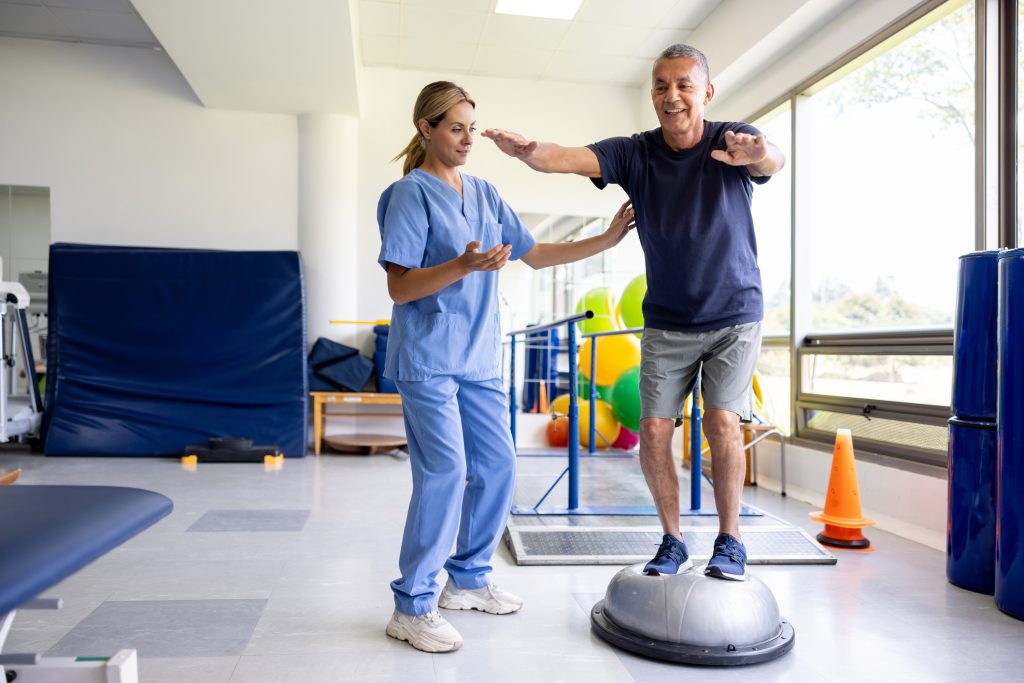
Table of Contents
Physical therapy assistants, or PTAs, are vital members of the rehabilitation team, helping patients recover from injuries or manage chronic conditions under the guidance of licensed physical therapists. Their commitment to patient care showcases the mix of clinical and people skills that make this profession so rewarding. Whether they find themselves in hospitals, outpatient clinics, or even embracing new fields like telehealth, PTAs have a wealth of opportunities to discover a setting that fits their career goals and lifestyles. Let’s dive into the various career options out there for PTAs, along with the unique benefits and challenges each offers.
Overview of Traditional Physical Therapy Settings
PTAs mostly work in traditional environments, each one presenting its own responsibilities and serving different patient groups. Understanding what each setting offers can help those planning to become PTAs make some informed choices about their career paths.
Hospitals
In a hospital, PTAs take part in the treatment of patients facing acute conditions. They often work closely with physical therapists to support individuals recovering from surgeries, trauma, or serious illnesses. The variety in patient needs—ranging from children to older adults—keeps PTAs on their toes.
- In hospitals, PTAs typically:
- Carry out therapy exercises.
- Assist with equipment and treatment modalities.
- Keep an eye on how patients progress during their recovery.
Since hospital settings can be unpredictable, PTAs may find themselves working odd hours, including nights and weekends. While this might sound like a challenge, it also means that every day can bring something new, making for an engaging work environment that requires flexibility.
Outpatient Clinics
Outpatient clinics focus on scheduled therapy sessions rather than inpatient care. Here, PTAs often help patients recuperate from orthopedic surgeries or sports injuries, aiming to boost mobility and prevent future injuries through structured rehab programs.
- Key aspects of outpatient clinics include:
- Regular daily schedules with predictable hours.
- Emphasis on patient education and preventive care.
- Competitive salaries, typically ranging from $61,406 to $74,347 per year, depending on experience and location.
The job outlook in outpatient clinics is strong. Many clinics are ramping up their hiring to keep pace with the rising demand for physical therapy services, creating a welcoming environment for PTAs looking for stability and reliable work hours.
Skilled Nursing Facilities
Skilled nursing facilities (SNFs) cater to patients who need long-term rehabilitation, often focusing on older adults recovering from strokes or surgeries. In these facilities, PTAs get to spend a lot of time with patients, building meaningful relationships as they contribute to their recovery.
- In skilled nursing facilities, PTAs generally:
- Enjoy extensive interaction time with patients.
- Balance patient care responsibilities with some administrative tasks, like documenting progress and collaborating with healthcare teams.
The supportive atmosphere in SNFs allows PTAs to make a positive impact on their patients’ recovery journeys, enhancing the overall quality of care delivered.
Emerging Opportunities in Telehealth and Specialized Settings
Telehealth has become a major player in physical therapy, thanks to advancements in technology. By 2025, around 35-40% of physical therapy practices are expected to provide telehealth options, allowing PTAs to conduct virtual sessions for exercise guidance, patient check-ins, and progress evaluations.
- Benefits of telehealth roles include:
- Flexibility in work hours and the ability to work from various locations.
- Opportunities to deliver innovative patient care that transcends geographical barriers.
While telehealth presents some intriguing advantages, it also comes with its own set of challenges, such as ensuring that patients have the proper equipment for remote sessions and sticking to treatment plans from afar. As PTAs grow comfortable in these new roles, they can provide essential support to patients while enjoying the perks of remote work, leading to a more varied and satisfying career journey.
Specialized Clinics
PTAs can carve out rewarding careers in specialized clinics that focus on areas such as sports medicine, pediatrics, or geriatric care. By concentrating on a specific niche, PTAs can deepen their expertise, enhancing both their skills and job satisfaction.
- Challenges in specialized clinics may involve:
- Catering to the diverse needs of patients.
- Staying updated on the latest best practices through continuing education.
By diving into specialization, PTAs can navigate their careers with increased focus and knowledge, boosting their employability in niche markets and expanding their professional networks.

Comparison of Responsibilities, Patient Populations, and Salaries Across Environments
When you compare PTAs across different settings, their responsibilities typically involve hands-on patient care, educational support, and some administrative duties. However, the scope of work can change quite a bit based on where they are.
- Common responsibilities include:
- Interacting directly with patients during therapeutic exercises and treatments.
- Administrative tasks like documenting progress and working with healthcare teams.
Patient demographics can vary significantly, too. For example:
- Outpatient clinics usually serve a younger and middle-aged crowd.
- Skilled nursing facilities often focus on elderly patients who need longer-term care.
Salary ranges reflect these differences, with PTAs earning around $61,406 at the lower end and typically exceeding $74,347 at the top end, depending on experience and location. Factors like the type of setting, geographical area, and specialization can greatly influence earnings, providing valuable insights for aspiring PTAs as they think about their future careers.
Location and Its Impact on Job Availability and Advancement Potential
Geography plays a big role in the job prospects for PTAs. Generally, urban areas have a higher demand for PTAs because of the concentration of healthcare facilities, whereas rural areas often experience noticeable shortages. This can also impact salary rates, as metropolitan areas usually offer more competitive wages.
- Things to consider for aspiring PTAs regarding location include:
- More job availability is often found in urban areas.
- Salary differences can relate to demand and local living costs.
Career advancement opportunities can vary by setting, too. For instance, PTAs in outpatient clinics might have paths to management roles, while those working in hospitals may pursue advanced specialization in rehabilitation therapy. The job outlook is promising, with the average employment rate for physical therapist assistants reaching around 94% for graduates in 2023-2024, indicating strong opportunities across various settings.
Current Trends and Future Outlook
The demand for PTAs is expected to keep rising, with employment projected to grow 16% from 2024 to 2034. This highlights the essential role that physical therapist assistants play in the broader healthcare landscape.
- Key trends shaping the field include:
- Growing integration of telehealth into patient care.
- The expansion of specialized practices, leading to more diverse career paths.
As the industry evolves, PTAs might discover innovative roles developing in these new environments, ultimately driving better patient outcomes and paving the way for fulfilling careers that meet both healthcare needs and personal aspirations.
Frequently Asked Questions
What are the daily responsibilities of a PTA in different settings?
Daily tasks can differ quite a bit. In hospitals, PTAs focus on acute care and patient management, while in outpatient clinics, they’re primarily engaged in educating patients and monitoring exercises.
How do salary ranges differ across various workplace environments?
Salaries can vary significantly. For instance, PTAs working in hospitals may see different pay rates compared to those in outpatient or skilled nursing facilities, reflecting specific roles and patient demographics.
What impact does location have on job availability and career advancement for PTAs?
Areas with a high concentration of healthcare facilities typically offer more job openings and greater opportunities for advancement, particularly in urban settings.
What are the benefits of working in telehealth versus traditional settings?
Telehealth provides flexibility and convenience, allowing PTAs to connect with patients who might find it difficult to attend in-person sessions. Traditional settings, however, offer invaluable hands-on experiences and immediate patient interactions.
How has the demand for PTAs changed in recent years?
The need for PTAs has grown significantly, fueled by shifts in healthcare and predictions of ongoing job growth in the field, promising strong options for dedicated professionals in the future.
The landscape of where physical therapy assistants work is diverse and continually changing. By grasping the responsibilities, patient demographics, and unique challenges of each setting, aspiring PTAs can make smart decisions about their career paths. This variety creates numerous opportunities for professional growth and specialization, leading to fulfilling careers where PTAs remain crucial contributors to improving patient outcomes and aiding recovery journeys.
For those interested, check out this complete guide to PTA education requirements to get started on your journey!

