
What to Expect During Your Clinical Externship: A Healthcare Student’s Guide
Published - January 21, 2026

Table of Contents
What to Expect During Your Clinical Externship: A Healthcare Student’s Guide
What is a Clinical Externship?
A clinical externship is a fantastic training opportunity where students can roll up their sleeves and gain real-world experience in healthcare settings. This hands-on experience helps bridge the gap between what you’ve learned in theory and what you’ll do in practice.
According to the Role of Externships in Healthcare Programs, externships help students develop the skills necessary to thrive in a healthcare career. They give you crucial exposure to:
- Patient care practices
- Workplace dynamics
- Team interactions within healthcare settings
Understanding the purpose and benefits of a clinical externship is key. By participating in these programs, you can lay a solid foundation for your future career, becoming a more adaptable and resourceful healthcare professional.
Common Challenges Faced During Externships
Let’s be real: externships can come with their fair share of challenges. You might face communication hurdles, struggle with time management, or feel some emotional stress. It’s completely normal to feel overwhelmed as you juggle learning and clinical responsibilities. Healthcare students often face significant non-clinical challenges while in externships.
Here are some strategies to help you navigate these bumps in the road:
- Seek support: Don’t hesitate to lean on your peers, mentors, and instructors. They are a great network for guidance and encouragement.
- Utilize resources: Take advantage of available resources like counseling services to help manage stress effectively.
- Practice self-care: Engage in mindfulness and relaxation exercises to build resilience during tough times.
Sharing your experiences with fellow students can make a world of difference. Many find they feel more equipped to tackle challenges when they connect with others who understand the pressure. By creating a supportive environment, you not only enhance your learning but also ease feelings of isolation.
Navigating a New Facility
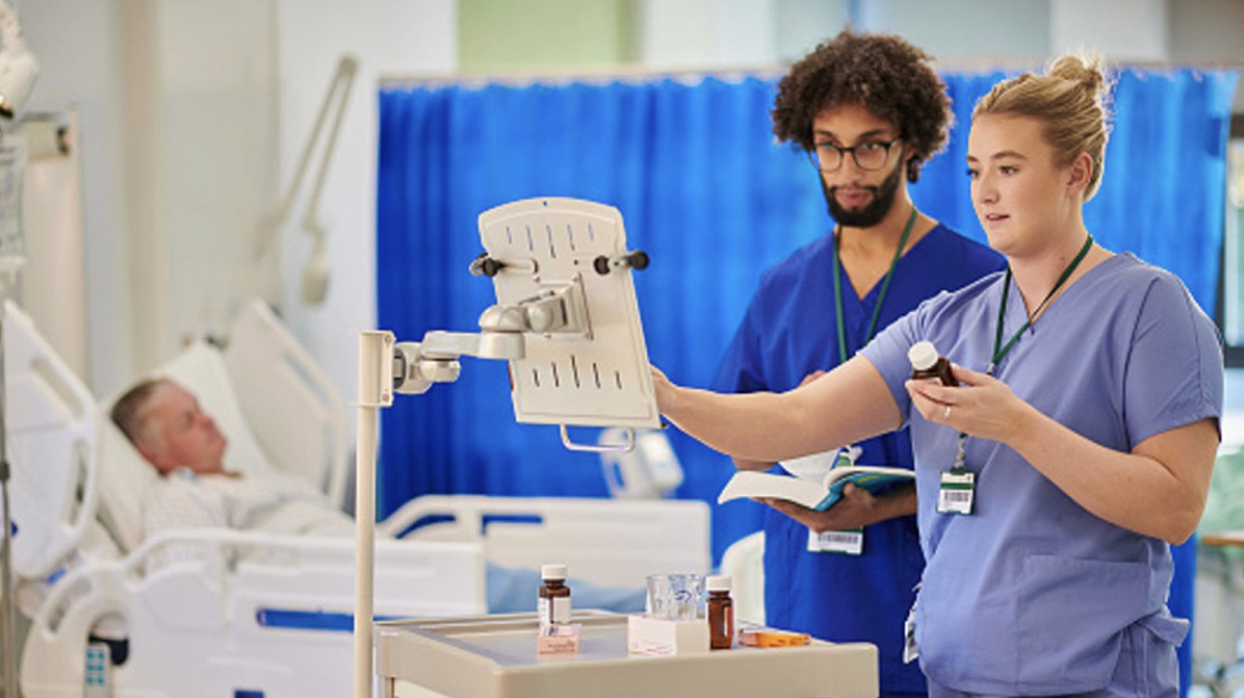
Getting used to a new clinical environment, especially on your first day, can feel a bit intimidating. So, invest some time in familiarizing yourself with the layout of the facility, understanding staff roles, and learning the protocols that guide patient care.
To help ease your transition, try these tips:
- Arrive early: This gives you a chance to explore your surroundings and take a deep breath before diving in.
- Ask questions: If something isn’t clear, don’t hesitate to seek clarification about procedures or expectations. It shows you are eager to learn.
- Observe interactions: Watch how seasoned clinicians communicate with their teams and patients; this can offer valuable insights for your own interactions.
Taking this proactive approach will not only smooth your transition but also make your externship experience more rewarding as you integrate into the team.
Building Relationships with Supervising Clinicians
Developing a solid rapport with your supervising clinicians is vital for both your learning and growth during your externship. Focus on effective communication, which can be achieved in a few ways:
- Seek constructive feedback: Regularly ask for insights to improve your skills. It shows you’re committed to learning.
- Reflect on feedback: Embrace constructive criticism and reflect on how you can use it to become even better.
- Show willingness to learn: Keep an open mind and eagerness to absorb knowledge from every interaction. This enriches your experience.
If you run into a difficult situation or conflict, staying calm and communicating openly with everyone involved can help resolve issues efficiently. Strong interpersonal skills foster collaboration and might even create mentorship opportunities that continue after your externship ends.
By building meaningful relationships now, you’re laying the groundwork for future professional networking, which is invaluable for a successful healthcare career.
Turning Externship Hours into Job Opportunities
Externships can be a fantastic launching pad for job opportunities in healthcare. You can make the most of your experience by actively engaging with healthcare professionals and showcasing your professionalism throughout your placement.
Here are some actions you can take:
- Network strategically: Make connections with staff and fellow externs to widen your professional circle.
- Showcase your skills and successes: Use your externship as a platform to highlight your capabilities to potential employers.
- Maintain relationships: After your externship wraps up, follow up with your contacts to keep the lines of communication open.
Building these connections can lead to exciting job opportunities down the line, as many employers value hands-on experience in candidates. The Mayo Clinic points out that internships are integral to preparing students for employment readiness.
Tips for Success in Clinical Externships
Making the most of your clinical externship hinges on the skills you decide to develop during this time. Focus areas should include effective communication, adaptability, and clinical proficiency.
Here are practical tips for excelling in your externship:
- Be proactive: Take the initiative to ask questions and seek new challenges that can deepen your understanding.
- Pursue mentorship: Look for guidance from experienced staff members who are willing to share their insights.
- Prepare thoroughly: Equip yourself with relevant knowledge and skills by utilizing preparation guides and resources before stepping into the clinical setting.
Many students have found that being proactive not only enhances learning but also builds lasting support systems that guide you throughout your career.
FAQ
- What skills should I focus on developing during my clinical externship?
Concentrate on communication, adaptability, and technical proficiency to really maximize your externship experience. - How can I effectively communicate with supervising clinicians?
Take the reins by seeking feedback, asking questions, and keeping those lines of communication open to build rapport. - What if I encounter a conflict in my externship environment?
Stay calm and address the situation through open communication. It’s a constructive way to sort things out effectively. - What are the benefits of completing a clinical externship?
Externships provide hands-on practical experience, networking opportunities, and a solid foundation for landing healthcare roles.
By embracing the challenges and opportunities your externship brings, you’re setting yourself up for success on your journey in healthcare. So, get ready to learn, engage, and thrive—you’ve got this!
For additional resources and guides on healthcare careers and externship experiences, check out our healthcare programs and student services pages.

