
What Does a Surgical Tech Actually Do? A Complete Guide to Duties & Responsibilities
Published - March 5, 2026
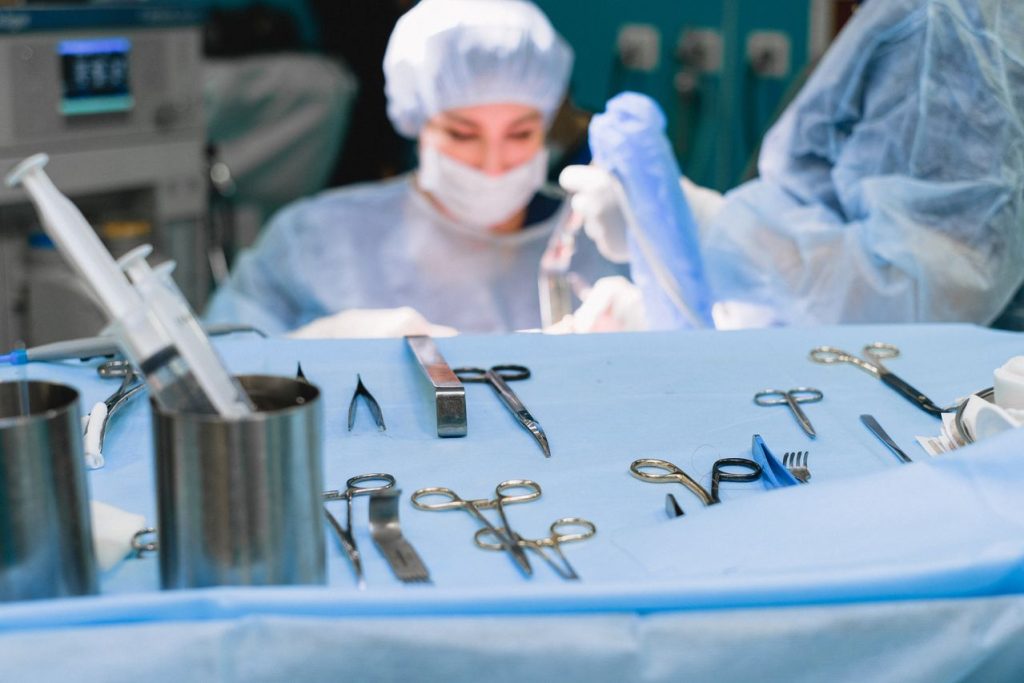
Table of Contents
A surgical technologist prepares the operating room, maintains the sterile field, and passes instruments to the surgeon during procedures. The Association of Surgical Technologists (AST) groups these duties into three phases: preoperative, intraoperative, and postoperative. Across all three, the surgical tech is the team member responsible for keeping the surgical environment sterile and the right instrument in the surgeon’s hand at the right moment.
The role goes by several names, surgical tech, scrub tech, or operating room technician, and it takes about 18 months of training to enter. This guide breaks down what the job involves day to day.
What Is a Surgical Technologist?
A surgical technologist is an allied health professional who works in the operating room alongside the surgeon, the anesthesiologist, and the circulating nurse. The terms surgical tech, scrub tech, and operating room technician all describe the same role. CBD College’s surgical technology program trains students for it through an Associate of Applied Science degree.
A common point of confusion is the difference between a surgical technologist and a scrub nurse. Both work in the sterile field, but their training, scope, and credentials differ. This comparison of the surgical technologist and scrub nurse roles explains where the lines fall.
Surgical Tech Duties by Phase
The clearest way to understand surgical tech responsibilities and duties is to follow a procedure from start to finish. AST organizes the work into three phases.
Preoperative Duties (Before Surgery)
Before the surgeon arrives, the surgical tech sets the stage. This phase includes:
- Preparing and sterilizing the operating room
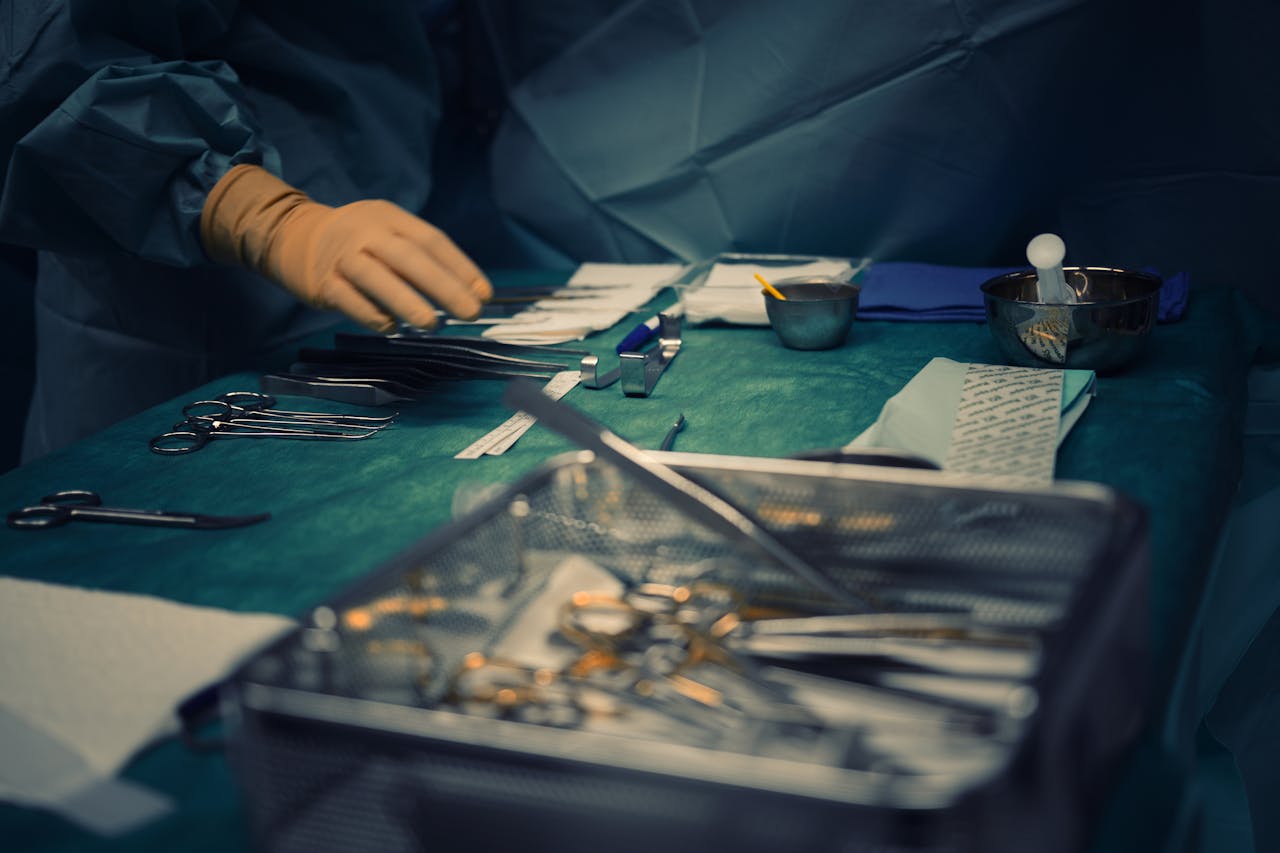
- Setting up the sterile back table and Mayo stand with instruments, supplies, and solutions
- Gathering, checking, and opening equipment according to the surgeon’s preference card
- Performing the surgical scrub, then gowning and gloving, and assisting team members with theirs
- Prepping and draping the patient to establish the sterile field
- Completing initial instrument, sharp, and sponge counts with the circulator and participating in the surgical time-out
Intraoperative Duties (During Surgery)
Once the procedure begins, the surgical tech becomes an extension of the surgeon’s hands:
- Maintaining the sterile field throughout the operation
- Passing instruments, sutures, and supplies, often anticipating the next request before it is spoken
- Managing medications and solutions on the sterile field
- Handling and caring for specimens for laboratory analysis
- Operating and managing surgical equipment, including robotic systems where they are used
A missing or contaminated instrument at this stage can delay a procedure or risk infection, so precision and focus are constant demands.
Postoperative Duties (After Surgery)
As the operation closes, the surgical tech ensures nothing is overlooked:
- Performing final instrument, sharp, and sponge counts before the incision is closed
- Applying and securing dressings
- Helping transfer the patient to the recovery unit
- Breaking down the field, preparing instruments for sterilization, and assisting with operating room turnover
Here is the full arc at a glance:
| Phase | Core Focus | Example Duties |
| Preoperative | Setup and sterility | Room prep, instrument setup, draping, counts |
| Intraoperative | Support and precision | Passing instruments, managing the field, specimens |
| Postoperative | Closure and safety | Final counts, dressings, patient transfer, turnover |
Scrub Tech Responsibilities Beyond the Phases
Some scrub tech responsibilities run through every phase rather than belonging to one. Strict aseptic technique is the foundation of the entire role, since infection control protects the patient at every step. Accurate documentation and instrument counts guard against retained items. Equipment maintenance keeps the tools ready and functioning. Clear communication with the surgeon and nursing staff holds the team in sync when timing matters most.
Skills That Make a Good Surgical Tech
The duties demand a specific set of traits. Manual dexterity and steady hands make instrument handling reliable. Attention to detail keeps counts and sterility accurate. Physical stamina sustains long procedures on your feet. Composure under pressure matters when a case turns urgent. Above all, the ability to anticipate, to know what the surgeon needs next, separates a capable tech from an exceptional one. For a fuller look at the career, see whether surgical technology is a good fit.
Where Surgical Techs Work
Most surgical techs work in hospitals, with growing numbers in ambulatory surgery centers, outpatient facilities, and physicians’ offices. The U.S. Bureau of Labor Statistics projects 5% job growth for surgical assistants and technologists through 2034, with about 8,700 openings each year. This breakdown of the surgical technologist jobs outlook covers demand in more detail.
How to Become a Surgical Tech
Entering the field starts with an accredited program leading to an associate degree. After graduating, you become eligible to sit for the Certified Surgical Technologist (CST) exam through the National Board of Surgical Technology and Surgical Assisting (NBSTSA), the recognized national credential. The steps are covered in this guide on how to become a certified surgical technologist, and the surgical tech certification guide explains the exam itself.
Start Your Surgical Technology Career
If the operating room sounds like where you want to be, the next step is a conversation with an admissions advisor. CBD College’s ABHES-accredited Surgical Technology program prepares you for the CST exam in 18 months, with mock OR training and clinical rotations built in. Visit the surgical technology program page to review start dates and request information.

