
Different Types of Sonography: Specializations, Careers & Salary Breakdown
Published - March 25, 2026
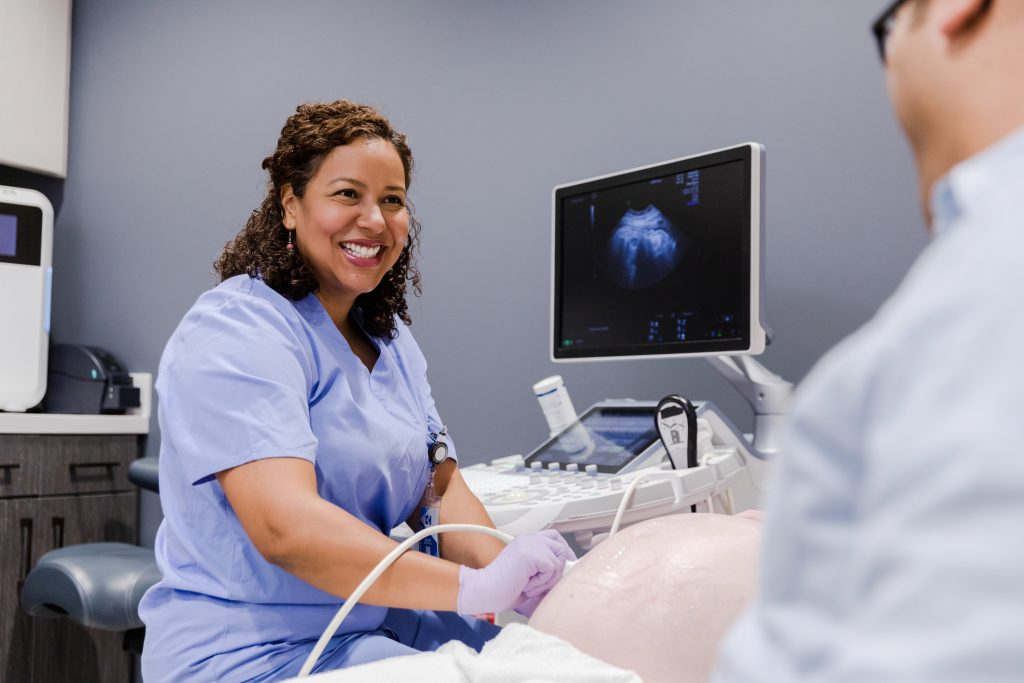
Table of Contents
Sonography divides into several specialties defined by the part of the body being imaged, and each carries its own credential and pay range. The U.S. Bureau of Labor Statistics reports a median annual wage of $89,340 for diagnostic medical sonographers as of May 2024, with employment projected to grow 13% through 2034, much faster than the average for all occupations. The specialty you choose moves your earning potential above or below that baseline.
This guide breaks down the main types of sonography, what each one involves, what they tend to pay, and how to enter the field.
What Is Diagnostic Medical Sonography?
Diagnostic medical sonography, also called ultrasound, uses high-frequency sound waves to create images of organs, tissues, and blood flow inside the body. A sonographer prepares patients, operates the ultrasound equipment, captures and evaluates images, and records findings for a physician to interpret.
The national credentialing body is the American Registry for Diagnostic Medical Sonography (ARDMS). Certification involves passing the Sonography Principles and Instrumentation (SPI) exam plus a specialty exam, which earns a credential such as the Registered Diagnostic Medical Sonographer (RDMS), Registered Diagnostic Cardiac Sonographer (RDCS), or Registered Vascular Technologist (RVT). CBD College’s diagnostic medical sonography program trains for this work, and this overview of sonography technician training covers the basics.
Different Types of Sonography Specialties
Most sonographers build a foundation in general imaging, then specialize. These are the main types of sonography specialties.
Abdominal Sonography
Abdominal sonographers image the liver, kidneys, pancreas, gallbladder, spleen, and surrounding structures. This is the general foundation of the field and earns the RDMS credential with an abdomen concentration. It is also the registry exam CBD College graduates are prepared to sit for.
Obstetric and Gynecologic Sonography
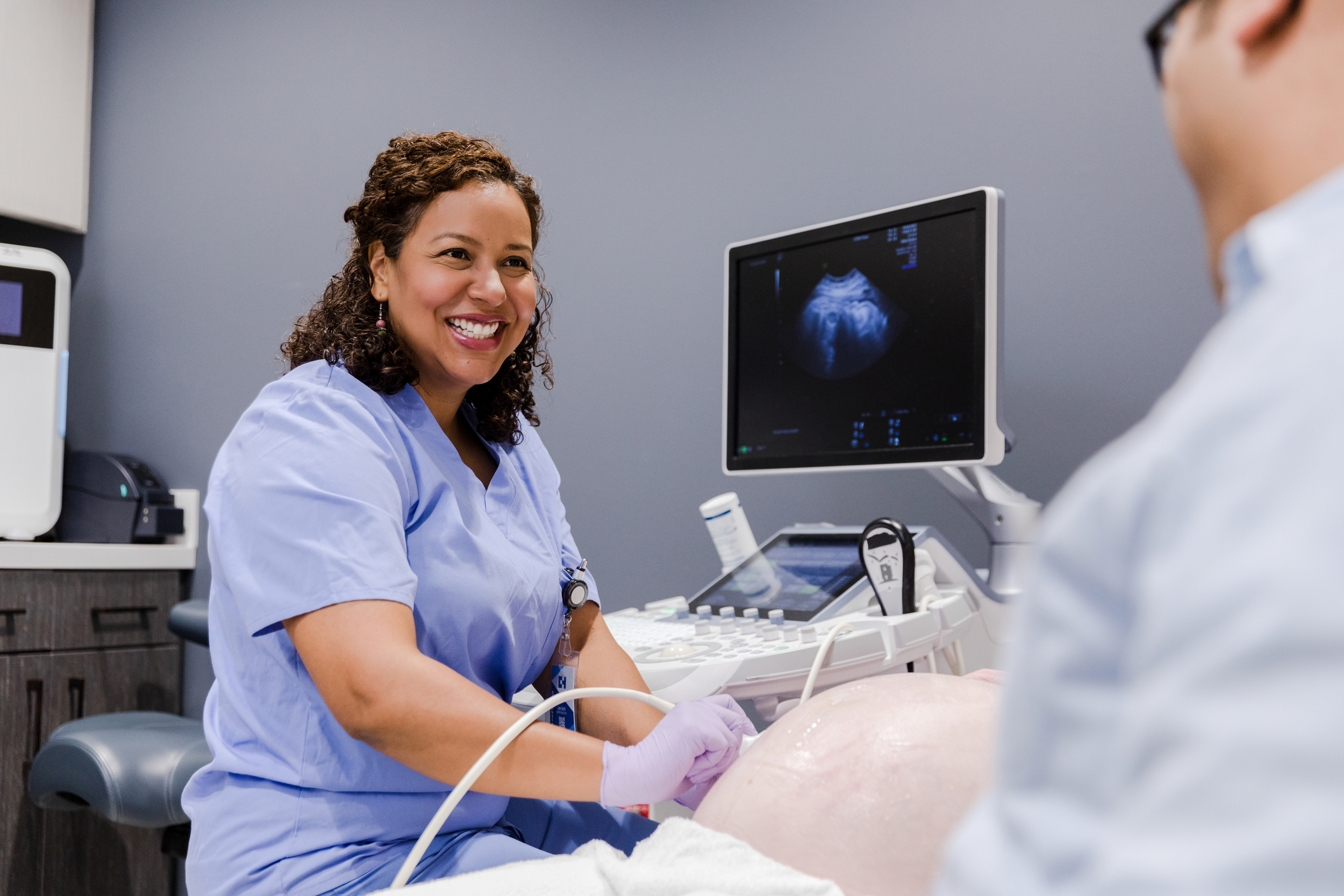
OB/GYN sonographers image the female reproductive system and monitor pregnancy, from fetal development to maternal health. The work is patient-facing and often emotionally significant, and it earns the RDMS credential with an OB/GYN concentration.
Vascular Sonography
Vascular technologists image blood vessels and blood flow to detect clots, blockages, and conditions that raise the risk of stroke. The specialty earns the Registered Vascular Technologist (RVT) credential and is valued for its role in preventing life-threatening events.
Cardiac Sonography (Echocardiography)
Cardiac sonographers, or echocardiographers, image the heart’s structure and function through procedures like transthoracic and stress echocardiograms. This specialty earns the RDCS credential and consistently ranks among the higher-paid areas due to the complexity of the exams.
Breast Sonography
Breast sonographers image breast tissue, often working alongside mammography to evaluate abnormalities. The specialty earns an RDMS credential with a breast concentration and is concentrated in women’s health and imaging centers.
CBD College’s curriculum covers abdominal, OB/GYN, and vascular imaging, with abdomen as the registry exam track. For more on what the training builds, see the skills developed in sonography programs.
Types of Sonography and Salary
The BLS publishes one combined median for diagnostic medical sonographers, $89,340 as of May 2024. Specialty, credentials, experience, and location then shift individual pay above or below that figure. The ranges below come from industry salary reporting rather than BLS, which does not break out per-specialty medians.
| Specialty | Credential | Typical Range (Industry-Reported) |
| General / Abdominal | RDMS (AB) | $62,000 to $78,000 |
| Obstetric / Gynecologic | RDMS (OB/GYN) | $70,000 to $95,000 |
| Vascular | RVT | $75,000 to $95,000 |
| Cardiac / Echocardiography | RDCS | $75,000 to $95,000+ |
Two patterns hold across the data. Cardiac and vascular specialties tend to pay above the general baseline because the skills are scarcer and the exams more complex. And sonographers who hold more than one credential, such as abdomen plus OB/GYN, or vascular plus cardiac, command the highest pay, sometimes well into six figures. For a closer look, see the current sonography salary trends breakdown.
Where Sonographers Work
Sonographers work in hospitals, diagnostic imaging centers, physician offices, OB/GYN clinics, and outpatient facilities, with some taking mobile or travel assignments. Demand is strong across settings: the BLS projects 13% growth through 2034, driven by an aging population and the shift toward non-invasive imaging. This look at what an ultrasound technician does covers the day-to-day.
How to Become a Sonographer
The path starts with a CAAHEP-accredited associate degree program, followed by ARDMS certification through the SPI and a specialty exam. CBD College’s 20-month Associate of Applied Science prepares graduates to sit for the ARDMS Abdomen exam, with hands-on labs and clinical externships built in. The steps appear in this guide on how to become a sonographer, and this overview of sonography programs explains what to expect.

Which Sonography Specialty Is Right for You?
Most sonographers begin with a general or abdominal foundation, then specialize as their interests sharpen. If prenatal care draws you, OB/GYN fits. If you are drawn to the heart, cardiac echocardiography is the path. If you prefer vascular health and stroke prevention, vascular technology suits you. Pay matters, but so does the daily work, since each specialty has a distinct rhythm and patient population.
The practical move is to earn a strong general foundation first, then add specialty credentials over time. Cross-credentialing is where both versatility and the highest pay tend to come from.
Start Your Sonography Career
If the field sounds like a fit, the next step is a conversation with an admissions advisor. CBD College’s CAAHEP-accredited Diagnostic Medical Sonography program prepares you for the ARDMS exam in 20 months, with hands-on training and clinical experience built in. Visit the diagnostic medical sonography program page to review start dates and request information.

