
Sonography vs. Radiology: Which Imaging Career Is Right for You?
Published - March 30, 2026
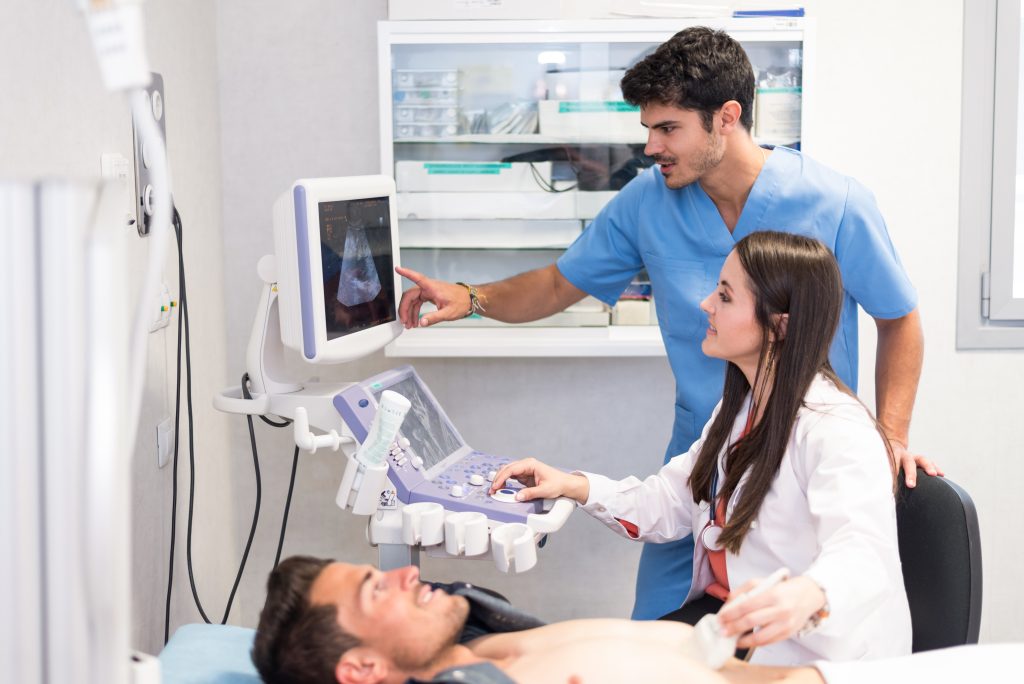
Table of Contents
When people compare sonography vs radiology as a career, they usually mean two technologist roles: the diagnostic medical sonographer and the radiologic technologist. The core difference is the technology each uses. Sonography creates images with high-frequency sound waves, while radiologic technology uses ionizing radiation such as X-rays and CT scans.
Both are two-year imaging careers that pay above the national median, with U.S. Bureau of Labor Statistics medians of $89,340 for sonographers and $77,660 for radiologic technologists as of May 2024. This guide compares the two across technology, daily work, training, salary, and fit so you can decide which suits you.
Sonography vs Radiology: Clearing Up the Terms
Three roles get blurred together in this comparison, so it helps to separate them first.
A radiologist is a physician who interprets medical images and requires medical school plus residency. A radiologic technologist, often called a rad tech, operates imaging equipment like X-ray and CT machines and is certified through the American Registry of Radiologic Technologists (ARRT). A diagnostic medical sonographer operates ultrasound equipment and is certified through the American Registry for Diagnostic Medical Sonography (ARDMS).
This guide compares the two technologist roles, since those are the comparable two-year career paths. When someone searches sonography vs radiology tech, this is the comparison they are after.
The Core Difference: Sound Waves vs Radiation
The defining distinction is how each captures images, and nearly everything else follows from it.
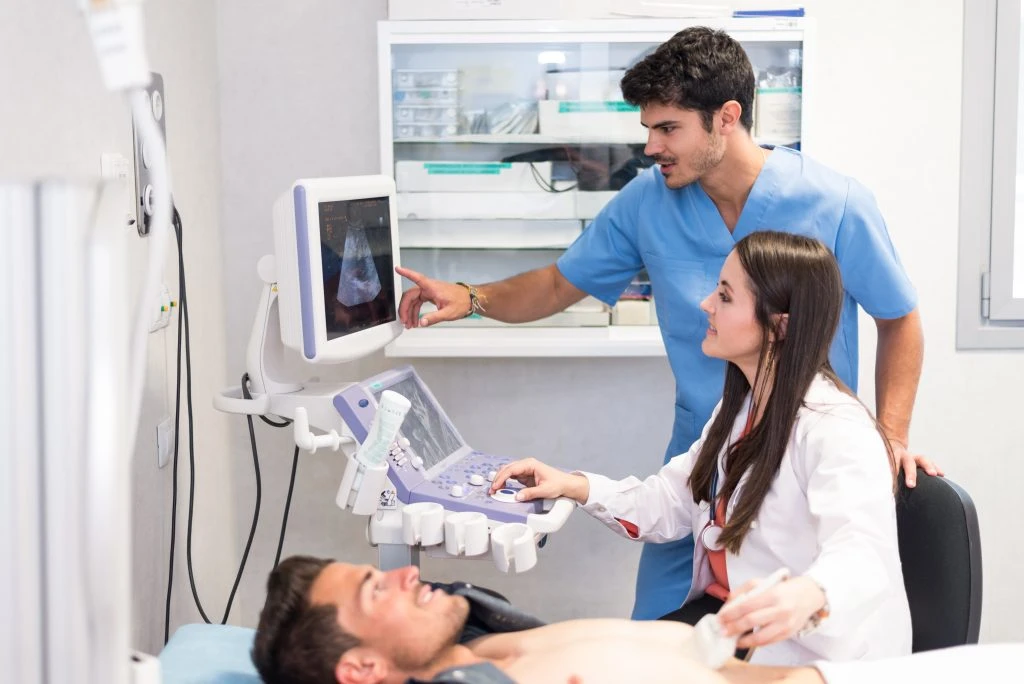
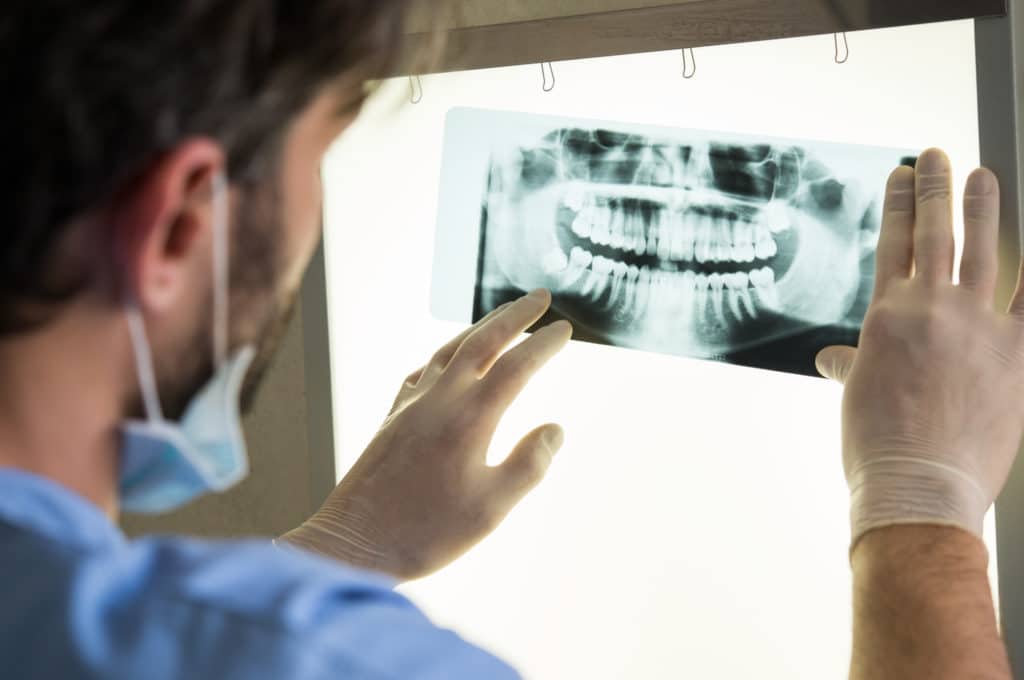
Sonography uses high-frequency sound waves, which involve no ionizing radiation. That makes ultrasound the standard for imaging during pregnancy and for soft tissues, organs, and blood flow, where repeated exams need to stay safe. Radiologic technology uses ionizing radiation to produce highly detailed images of bones, the chest, and certain organs. Because radiation carries risk, rad techs follow strict safety protocols and wear dosimetry badges to monitor their exposure.
If working around radiation concerns you, sonography removes that factor entirely. If detailed imaging of bones and internal structures interests you, radiologic technology is built for it.
Comparing Role and Daily Work
Both roles prepare patients, operate imaging equipment, evaluate image quality, and document findings for a physician. The day-to-day rhythm differs.
Sonographers tend to spend longer with each patient, capturing real-time images and adjusting technique throughout a single exam. The work is hands-on and patient-facing, often in soft-tissue, obstetric, vascular, or cardiac imaging. Radiologic technologists typically handle a higher volume of shorter exams, with more emphasis on patient positioning and radiation safety across X-ray and CT procedures.
| Factor | Sonography | Radiologic Technology |
| Imaging type | High-frequency sound waves | Ionizing radiation (X-ray, CT) |
| Radiation exposure | None | Controlled, monitored |
| Common exams | OB/GYN, abdominal, vascular, cardiac | Bone, chest, CT, trauma |
| Patient interaction | Longer, sustained per exam | Shorter, higher volume |
CBD College’s diagnostic medical sonography program trains for the ultrasound path, and this look at what an ultrasound technician does covers the role in more detail.
Comparing Education and Certification
The training paths are similar in length, which means time-to-career rarely settles the decision.
Sonography typically requires a CAAHEP-accredited associate degree, then ARDMS certification through the Sonography Principles and Instrumentation (SPI) exam plus a specialty exam. CBD College’s program runs 20 months and prepares graduates to sit for the ARDMS Abdomen exam. The steps appear in this guide on how to become a sonographer.
Radiologic technology typically requires a JRCERT-accredited associate degree of about two years, followed by ARRT certification and state licensure where required. Both fields also offer a related path worth knowing: MRI technology, which uses magnetic fields rather than radiation or sound. CBD College’s MRI program follows the ARRT pathway and bridges both imaging worlds.
Sonography vs Radiology Salary
Pay is often the tiebreaker, and the two roles separate here. The BLS reports a median wage of $89,340 for diagnostic medical sonographers, with 13% projected growth through 2034. Radiologic technologists earn a median of $77,660, with 5% projected growth for the radiologic and MRI technologist group over the same period.
| Career | Median Wage (2024) | Projected Growth (2024-2034) | Credential |
| Diagnostic Medical Sonographer | $89,340 | 13% | ARDMS |
| Radiologic Technologist | $77,660 | 5% | ARRT |
Sonography’s median runs higher and the field is growing faster, but the gap is not the whole story. Radiologic technologists can raise their earning power by adding modalities such as CT or MRI, since cross-trained techs are scarce and well compensated. The current sonography salary trends breakdown and the MRI tech salary guide cover how pay shifts with specialization.
Which Imaging Career Is Right for You?
The decision comes down to what kind of imaging and pace suits you. Choose sonography if you want radiation-free work, longer hands-on exams, soft-tissue and obstetric imaging, and the higher median wage. Choose radiologic technology if X-ray and CT draw you, you prefer a faster, higher-volume rhythm, and you want a broad base to add modalities later.
There is also a middle path. MRI technology appeals to people who want advanced imaging without ionizing radiation, and it sits between the two in both technique and training. Whichever direction fits, all three are stable, in-demand careers you can enter in about two years.
Start Your Imaging Career
If diagnostic imaging sounds like your field, the next step is a conversation with an admissions advisor. CBD College offers CAAHEP-accredited sonography and ARRT-recognized MRI programs, both built around hands-on training and clinical experience. Visit the diagnostic medical sonography program page to review start dates and request information.

