
How to Pay for School: Financial Aid Options for Healthcare Programs
Published - August 14, 2026

Table of Contents
Financial aid for school works the same way it does for a four-year university: students at accredited career colleges can receive federal Pell Grants worth up to $7,395 for the 2026–27 award year, federal Direct Loans at a fixed 6.52 percent for undergraduates, state grants such as the Cal Grant, veterans education benefits, and institutional scholarships. The single requirement that unlocks all of it is the Free Application for Federal Student Aid (FAFSA®).
The catch is that not every school qualifies. Federal aid flows only to institutions that hold recognized accreditation and participate in Title IV programs, so the first step is confirming the school’s status before anything else.

Which Schools Qualify for Financial Aid
Schools with financial aid are those accredited by an agency the U.S. Department of Education recognizes and approved to administer Title IV federal student aid. A school that meets both conditions has a Federal School Code that students enter on the FAFSA. CBD College’s code is 032503.
Accreditation comes in two forms, and healthcare programs often carry both:
- Institutional accreditation covers the whole school. CBD College holds institutional accreditation from the Accrediting Bureau of Health Education Schools (ABHES).
- Programmatic accreditation covers one program. CBD College’s Occupational Therapy Assistant program, for example, is accredited by the Accreditation Council for Occupational Therapy Education® (ACOTE).
Programmatic accreditation matters for a second reason: it is usually what makes a graduate eligible to sit for the licensing or certification exam in that field. A program that cannot offer federal aid often cannot offer exam eligibility either, which is a signal to look elsewhere.
School Grants You Do Not Repay
School grants are need-based awards from the federal government, the state, or the school itself, and none of them have to be paid back. They are the first money to pursue because they reduce the amount a student might otherwise borrow.
Federal Pell Grant
The Pell Grant goes to undergraduate students with financial need who have not yet earned a bachelor’s degree. The maximum award is $7,395 per year for 2026–27, and the actual amount depends on the Student Aid Index calculated from the FAFSA, the program’s cost of attendance, and enrollment status. Students can receive Pell for up to 12 full-time terms, roughly six years, and the school determines eligibility automatically once it receives the FAFSA.
Federal Supplemental Educational Opportunity Grant (FSEOG)
FSEOG supplements Pell for students with exceptional need. Funding is limited and awarded per school. At CBD College, eligible students receive $100 per term.
Cal Grant
California residents attending a qualifying California college can receive a Cal Grant through the California Student Aid Commission. The application is the FAFSA or California Dream Act Application plus a verified GPA, submitted by the March 2 deadline. Applicants must have lived in California for at least one year, show financial need, and enroll at least half time in a program leading to a degree or certificate. There are three Cal Grant types (A, B, and C), but students do not apply for them separately; the commission matches each applicant to the right one.
Institutional scholarships
Career colleges often fund scholarships from their own budgets. Ask the financial aid office which awards exist for the specific program, since healthcare programs sometimes carry field-specific scholarships that general listings miss.
Federal Student Loans for School
Federal Direct Loans are available to students at Title IV schools regardless of program length, and they carry terms that private lenders rarely match. For loans first disbursed between July 1, 2026, and June 30, 2027, the undergraduate rate is a fixed 6.52 percent for the life of the loan.
Two loan types apply to most school students:
| Loan | Who qualifies | Interest while enrolled |
|---|---|---|
| Direct Subsidized | Undergraduates with financial need | Government pays it during school and grace periods |
| Direct Unsubsidized | Any eligible undergraduate | Student pays it; interest accrues from disbursement |
Parents of dependent students can also apply for a Direct PLUS Loan, which carries a 9.07 percent fixed rate for the same period and requires a credit check.
Federal borrowers must complete entrance counseling and a Master Promissory Note before the first disbursement, and exit counseling before leaving school. Both steps happen at studentaid.gov. The Department of Education’s own guidance is to exhaust grants and federal loans before considering a private education loan, because private terms are rarely as favorable and offer fewer repayment protections.
Veterans Education Benefits
Veterans and eligible dependents can use GI Bill® benefits at schools approved by their state’s approving agency for veterans education. CBD College is approved by the California State Approving Agency for Veterans Education (CSAAVE) and accepts five benefit chapters:
- Chapter 30, Montgomery GI Bill®
- Chapter 31, Veteran Readiness and Employment
- Chapter 33, Post-9/11 GI Bill®
- Chapter 35, Dependents’ Educational Assistance
- Chapter 1606, Montgomery GI Bill® Selected Reserve
The process starts with an application on the VA’s GI Bill website. The VA issues a Certificate of Eligibility within about 30 days, and the student sends it to the school’s veterans certifying official to begin using benefits.
Other Ways to Cover School Costs
Several programs sit outside the standard federal and state aid system but can close a meaningful gap.
- Federal Work-Study. Need-based part-time jobs that pay the student directly rather than reducing a loan balance. At CBD College, students apply separately after submitting the FAFSA.
- California Dream Act. Undocumented students, DACA recipients, and students with U visa or Temporary Protected Status who qualify for the AB 540 nonresident tuition exemption can apply for state aid through the California Dream Act Application by the same March 2 priority deadline.
- Payment plans. Many career colleges allow tuition to be paid across the program rather than up front. Ask the student accounts office what schedule applies.
- Employer tuition assistance. Healthcare employers, particularly hospital systems and skilled nursing operators, sometimes fund credentials for current staff.
- Professional judgment adjustments. If a family’s finances changed after the FAFSA was filed, through job loss, a medical expense, or a change in marital status, the financial aid office can reassess eligibility with documentation.
How to Apply for Financial Aid at School
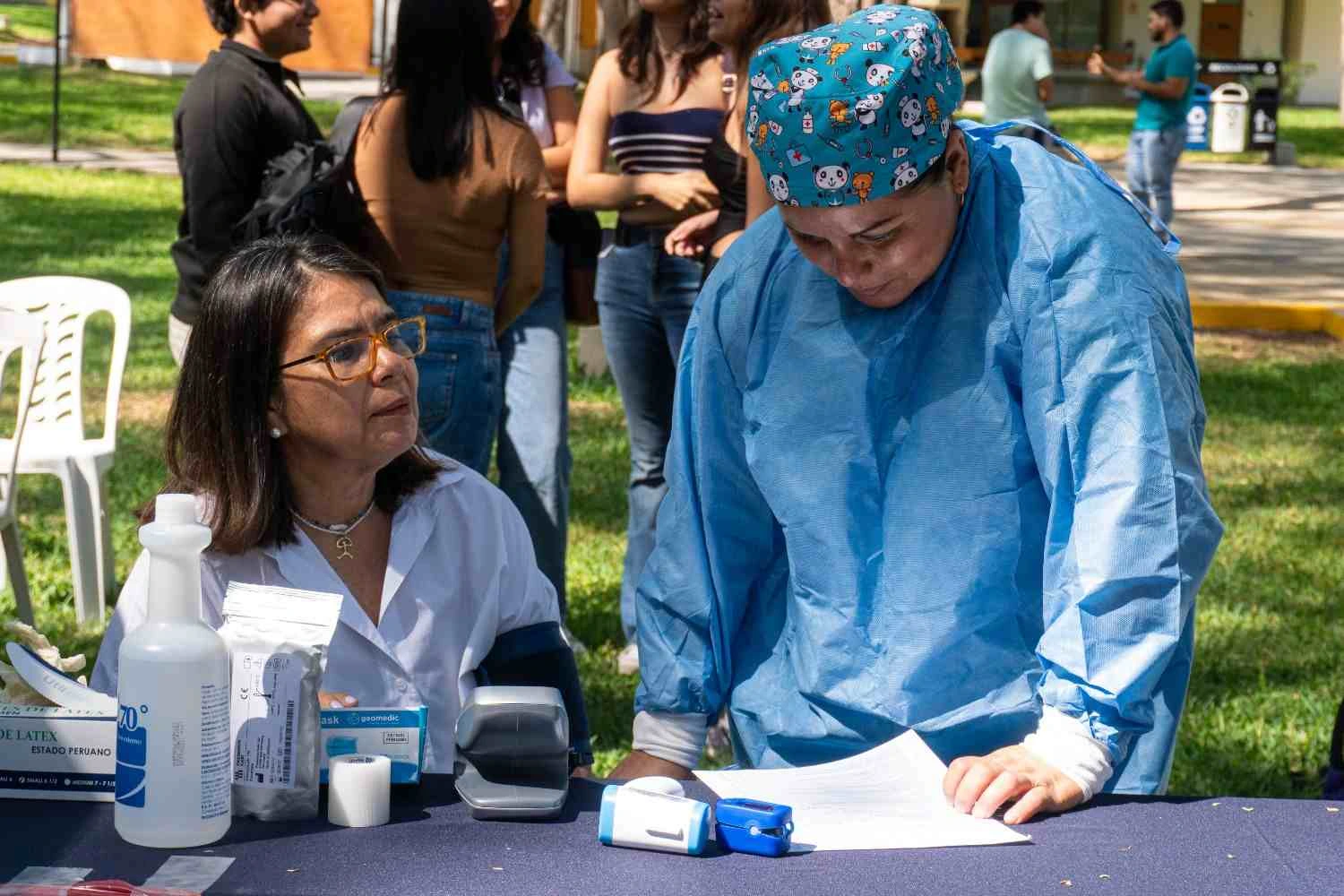
The application sequence is the same at every Title IV school, and most of it happens online in a single afternoon.
- Create an FSA ID at studentaid.gov. It serves as a legal signature on the FAFSA and loan documents.
- Complete the FAFSA for the correct award year. The form opens each October 1 for the following year. Students starting in a cohort that spans two award years may need to file two FAFSAs; CBD College’s financial aid checklist lists which years apply to each start date.
- Submit a verified GPA if applying for a Cal Grant, and watch the March 2 deadline.
- Respond to verification requests. The Department of Education flags some applications for document review. At CBD College, verification takes 7 to 14 business days after all forms arrive.
- Review the award letter and accept only the aid needed. Grants first, subsidized loans second, unsubsidized loans last.
- Complete entrance counseling and the Master Promissory Note if borrowing.
Aid continues only if the student maintains satisfactory academic progress, which at CBD College means a 2.0 cumulative GPA, completion of at least 67 percent of attempted credits, and finishing the program within 150 percent of its normal length.
Why Healthcare Programs Are Worth Financing
The return on a healthcare credential is well documented. Surgical technologists earned a median of $64,650 in May 2025 with a certificate or associate degree as the typical entry point, and occupational therapy assistants earned $72,300 with an associate degree. Both fields are projected to grow faster than the average for all occupations through 2035.
Program length keeps the total cost in check. CBD College’s hybrid Surgical Technology program can be completed in as little as 18 months, and the Occupational Therapy Assistant program in under two years. A student who finishes in that window spends fewer terms drawing on aid and starts earning sooner. For a broader look at the options, CBD College’s guide to allied health careers compares entry requirements and pay across the field.
Find Out What You Qualify For
If you are weighing a healthcare program and cost is the open question, start with the FAFSA and CBD College’s Federal School Code, 032503. Then visit the CBD College financial aid page to review the application checklist, run the net price calculator, and book an appointment with a financial aid officer who can walk through grants, loans, and benefits for your specific program.

