
How to Become a Cardiac Sonographer: Career Guide, Salary & Training
Published - April 6, 2026

Table of Contents
A cardiac sonographer, also called an echocardiographer or echo tech, uses ultrasound to image the heart so cardiologists can diagnose and treat heart conditions. Becoming one takes an accredited sonography education followed by certification in echocardiography, usually the RDCS credential. It is a focused specialty within diagnostic medical sonography, and it consistently ranks among the better-paid imaging careers, with industry-reported salaries commonly between $85,000 and $124,000.
This guide walks through what the role involves, what it pays, and the exact steps to get there.
What Is a Cardiac Sonographer?
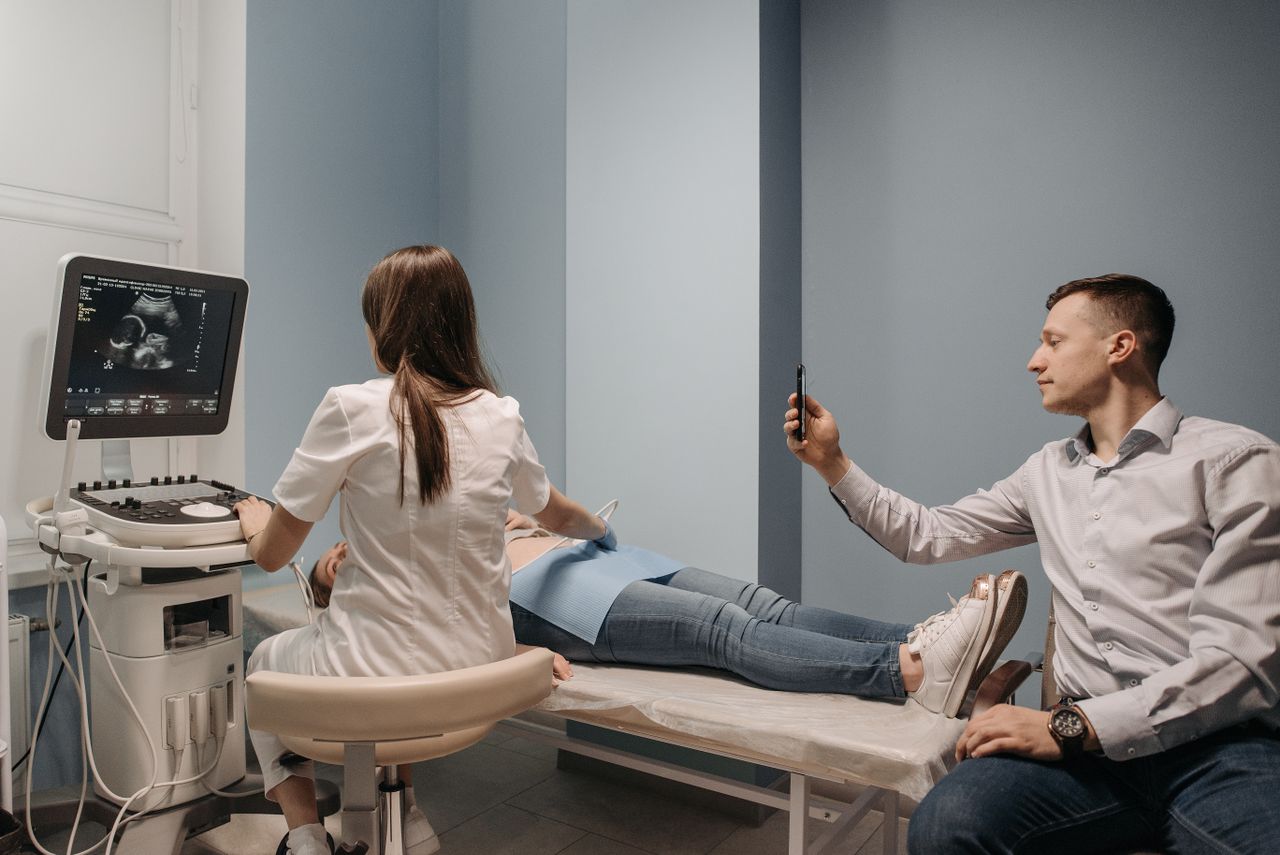
A cardiac sonographer operates ultrasound equipment to capture images of the heart’s chambers, valves, and blood flow. Those images, called echocardiograms, help cardiologists diagnose conditions like heart disease, valve disorders, and congenital defects. The work is non-invasive and uses no ionizing radiation, which is one reason echocardiography is used so widely across hospitals and clinics.
If you have searched “what is an echo tech,” that is simply the common nickname for this role: echo is short for echocardiogram, so an echo tech and a cardiac sonographer are the same job. CBD College’s diagnostic medical sonography program builds the foundation this specialty is based on, and this overview of what an ultrasound technician does covers the broader role.
What Does a Cardiac Sonographer Do?
Day to day, a cardiac sonographer prepares and positions patients, explains the procedure, and operates cardiac ultrasound and Doppler equipment to capture diagnostic images. They evaluate image quality in real time, adjust technique to capture clear views of the heart, recognize abnormalities, and document technical findings for the interpreting physician.
Common procedures include transthoracic echocardiograms, stress echocardiograms, and in advanced settings, transesophageal studies. Most cardiac sonographers work in hospitals, cardiology practices, and outpatient imaging centers, handling both scheduled exams and urgent cases.
How to Become a Cardiac Sonographer
The path runs from accredited education to certification. Here are the steps.
Step 1: Earn a Sonography Education
Start with an accredited sonography program. An associate degree is the most common entry point, though some who already hold a degree enter through a certificate route. CBD College’s CAAHEP-accredited 20-month Associate of Applied Science builds the scanning skills, anatomy knowledge, and clinical foundation the field requires. This overview of sonography programs explains what to expect.
Step 2: Complete Clinical Training
Hands-on scanning hours are essential. Clinical externships place you in real imaging environments, where you practice on equipment and work with patients and medical staff under supervision. This is where classroom learning becomes job-ready skill, as covered in sonography technician training.
Step 3: Earn Your Certification
Cardiac sonographers certify through one of two bodies. The American Registry for Diagnostic Medical Sonography (ARDMS) offers the Registered Diagnostic Cardiac Sonographer (RDCS) credential, earned by passing the Sonography Principles and Instrumentation (SPI) exam plus a specialty exam such as Adult Echocardiography (AE). Both ARDMS exams must be passed within a five-year window. Alternatively, Cardiovascular Credentialing International (CCI) offers the Registered Cardiac Sonographer (RCS) credential. This guide on how to become a sonographer covers the certification process in general.
Step 4: Obtain State Licensure if Required
Some states require a license to practice. Check your state’s regulations, since requirements vary, and your program can often help you navigate the process.
Step 5: Maintain Certification
Credentials require continuing education to stay current. Ongoing CME keeps your certification active and your skills aligned with evolving echocardiography technology.
Cardiac Sonographer Salary
Cardiac sonographer salary depends on how the role is classified, so it helps to look at more than one figure. The U.S. Bureau of Labor Statistics groups echocardiographers under cardiovascular technologists and technicians, which reported a median wage of $67,260 as of May 2024 with 3% projected growth through 2034. That category bundles in EKG and other cardiovascular techs, so it tends to understate pay for dedicated echo sonographers.
Industry salary sources that isolate cardiac sonographers report higher figures. The table below shows the range.
| Source | Reported Figure | Notes |
| BLS (cardiovascular technologists) | $67,260 median | Bundles EKG and vascular techs; understates dedicated echo |
| Industry-reported (cardiac sonographer) | $85,000 to $124,000 typical | Varies by region, setting, experience, and credentials |
| Top markets and earners | $140,000+ | Cross-credentialed or high-cost regions like California |
Two factors push pay higher: additional credentials (pediatric or fetal echo, or a second specialty) and location, with California and major metro markets among the highest. For broader context on how imaging pay shifts with specialization, see the current sonography salary trends breakdown.
Skills That Make a Good Cardiac Sonographer
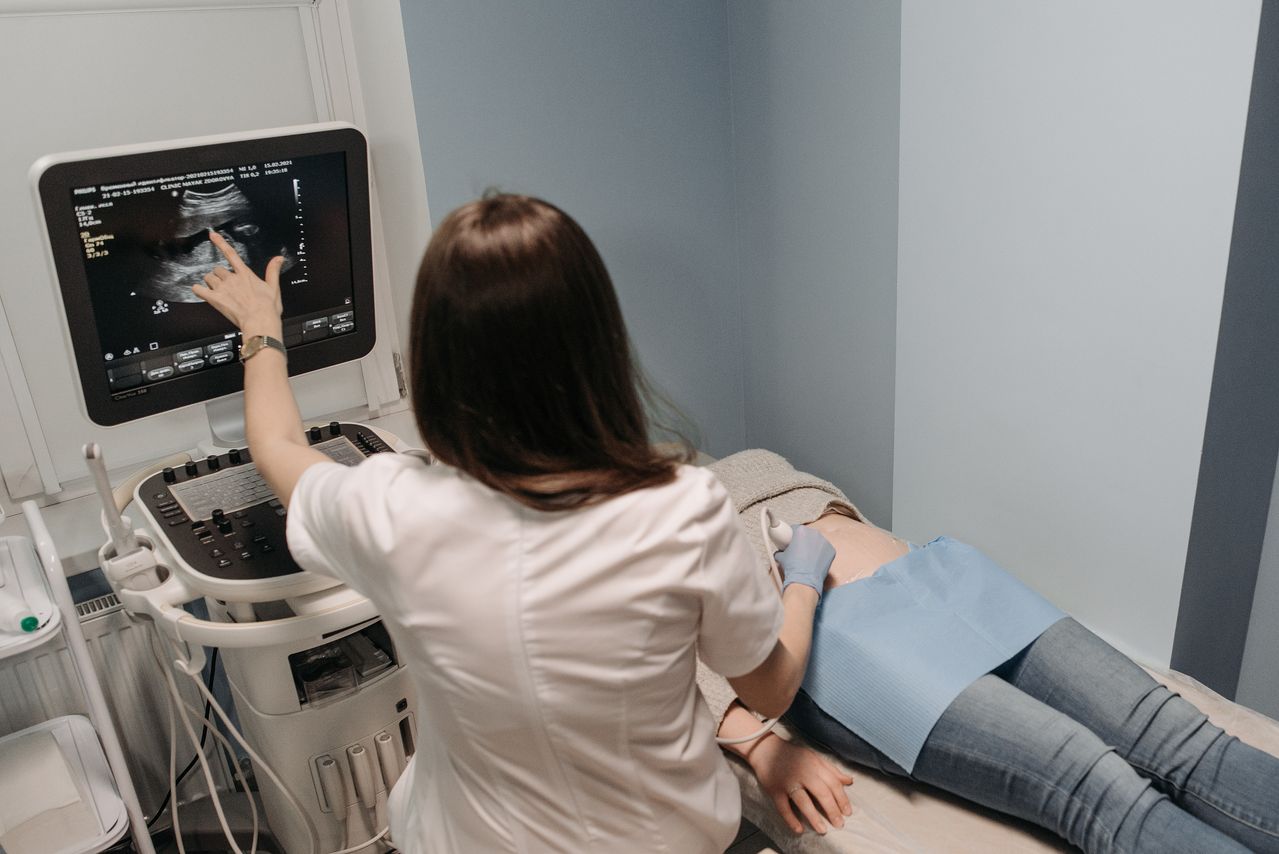
The specialty rewards a particular mix of traits. Detailed knowledge of cardiac anatomy underpins everything. Technical precision and steady hands produce clear, diagnostic images. Strong communication helps put often-anxious cardiac patients at ease. Stamina matters for long days on your feet, and composure keeps you steady during emergency cases where speed counts.
Is Cardiac Sonography a Good Career?
By most measures, yes. Demand is driven by an aging population and the rising prevalence of cardiovascular disease, the leading cause of death in the United States. The work is non-invasive and radiation-free, the pay is competitive, and the role carries real clinical weight, since your images directly inform how a patient’s heart condition is diagnosed and treated. For a fuller picture of the field’s day-to-day, see what an ultrasound technician does.
Start Your Sonography Career
If imaging the heart sounds like the career you want, the foundation starts with an accredited sonography education. CBD College’s CAAHEP-accredited Diagnostic Medical Sonography program prepares you in 20 months with hands-on training and clinical experience, the groundwork for specializing in echocardiography through the RDCS pathway. Visit the diagnostic medical sonography program page to review start dates and request information.

