
MRI Tech Salary in California: What MRI Technologists Earn by City & Setting
Published - September 14, 2026

The median MRI tech salary California employers paid in May 2025 was $124,000 a year, or $59.62 an hour, based on Bureau of Labor Statistics (BLS) wage data published through O*NET OnLine. That is $28,520 above the national median of $95,480 for magnetic resonance imaging (MRI) technologists. The statewide number hides a wide gap between metros: the median runs from $86,050 in Oxnard-Thousand Oaks-Ventura to $176,950 in San Jose-Sunnyvale-Santa Clara, with Los Angeles-Long Beach-Anaheim at $109,800. Work setting, credentials, and a second imaging modality move the figure further.
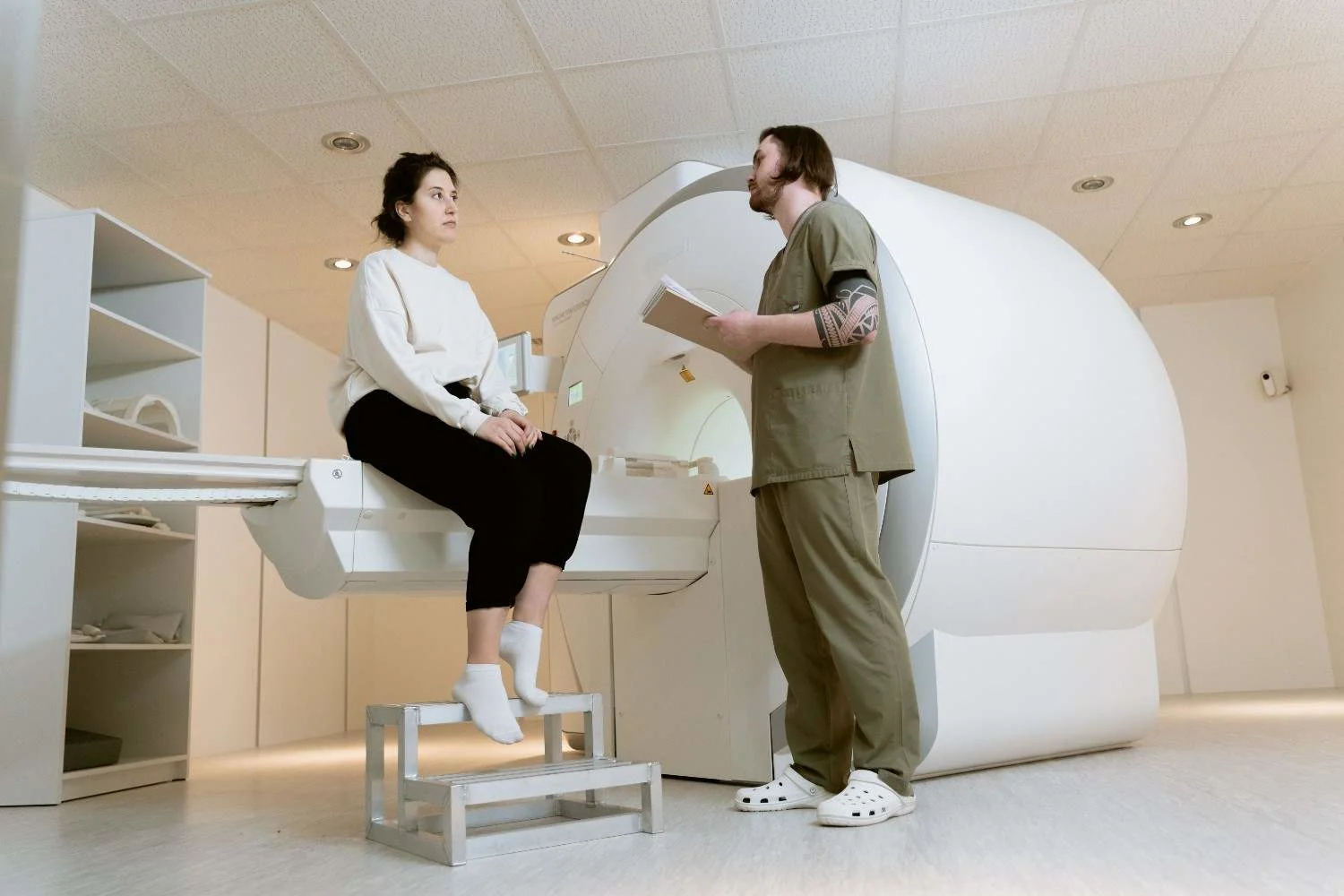
How Much Do MRI Techs Make in California?
MRI technologists in California earn a median of $124,000, and half of the workforce falls between $92,970 and $151,760 a year. The 10th percentile, which roughly tracks entry-level pay, sits at $74,360, and the 90th percentile reaches $174,030. Every California figure below comes from BLS May 2025 data for Magnetic Resonance Imaging Technologists (Standard Occupational Classification 29-2035).
| Percentile | California | United States |
|---|---|---|
| 10th | $74,360 | $68,890 |
| 25th | $92,970 | $81,040 |
| Median (50th) | $124,000 | $95,480 |
| 75th | $151,760 | $106,340 |
| 90th | $174,030 | $127,670 |
| Hourly median | $59.62 | $45.91 |
California’s median is about 30 percent higher than the national median, and the gap widens at the top: a 75th-percentile MRI tech in California out-earns a 90th-percentile tech nationally by more than $24,000. For a deeper look at national pay bands and how they have moved, see CBD College’s post on MRI tech salary.
MRI Tech Salary by California City
San Jose, Vallejo, San Francisco, and Sacramento pay the highest MRI tech salaries in California, each with a median above $144,000. Los Angeles, Riverside-San Bernardino, Fresno, and Stockton cluster between $106,000 and $110,000, and Oxnard-Thousand Oaks-Ventura is the lowest major metro at $86,050. All figures are BLS May 2025 medians by metropolitan area.
| Metro area | 25th percentile | Median | 75th percentile |
|---|---|---|---|
| San Jose-Sunnyvale-Santa Clara | $131,050 | $176,950 | $176,950 |
| Vallejo | $159,880 | $176,650 | $180,430 |
| San Francisco-Oakland-Fremont | $101,400 | $146,260 | $176,110 |
| Sacramento-Roseville-Folsom | $105,330 | $144,810 | $173,090 |
| Modesto | $98,490 | $126,980 | $159,200 |
| Santa Maria-Santa Barbara | $99,280 | $125,660 | $140,840 |
| San Diego-Chula Vista-Carlsbad | $92,340 | $123,080 | $142,630 |
| Los Angeles-Long Beach-Anaheim | $85,530 | $109,800 | $135,210 |
| Stockton-Lodi | $91,630 | $108,410 | $132,880 |
| Fresno | $84,450 | $106,710 | $136,840 |
| Riverside-San Bernardino-Ontario | $83,060 | $106,010 | $133,210 |
| Bakersfield-Delano | $82,810 | $98,550 | $128,690 |
| Oxnard-Thousand Oaks-Ventura | $65,160 | $86,050 | $115,900 |
The Bay Area and Sacramento sit well above the $124,000 state median, while Los Angeles, the Inland Empire, and the Central Valley sit below it. Housing and commuting costs in the highest-paying metros absorb part of that premium, so a $146,260 median in San Francisco does not stretch as far as the raw number suggests. Compare the metro median against local rent before treating one city as the better deal.
MRI Tech Salary Los Angeles
MRI technologists in the Los Angeles-Long Beach-Anaheim metro earn a median of $109,800, which is $14,200 below the California median. Pay in the metro spans $64,370 at the 10th percentile to $159,140 at the 90th, so the MRI tech salary Los Angeles employers pay depends heavily on experience, employer type, and shift. The 25th-to-75th percentile range of $85,530 to $135,210 is where most techs with an American Registry of Radiologic Technologists (ARRT) credential and a few years of experience will land.
For a new graduate, the LA figure to plan around is the 10th-to-25th percentile band of roughly $64,000 to $86,000. Techs who add a second modality or move into outpatient imaging centers tend to climb toward the top of the range faster than those who stay in a single hospital role.
Pay by Work Setting
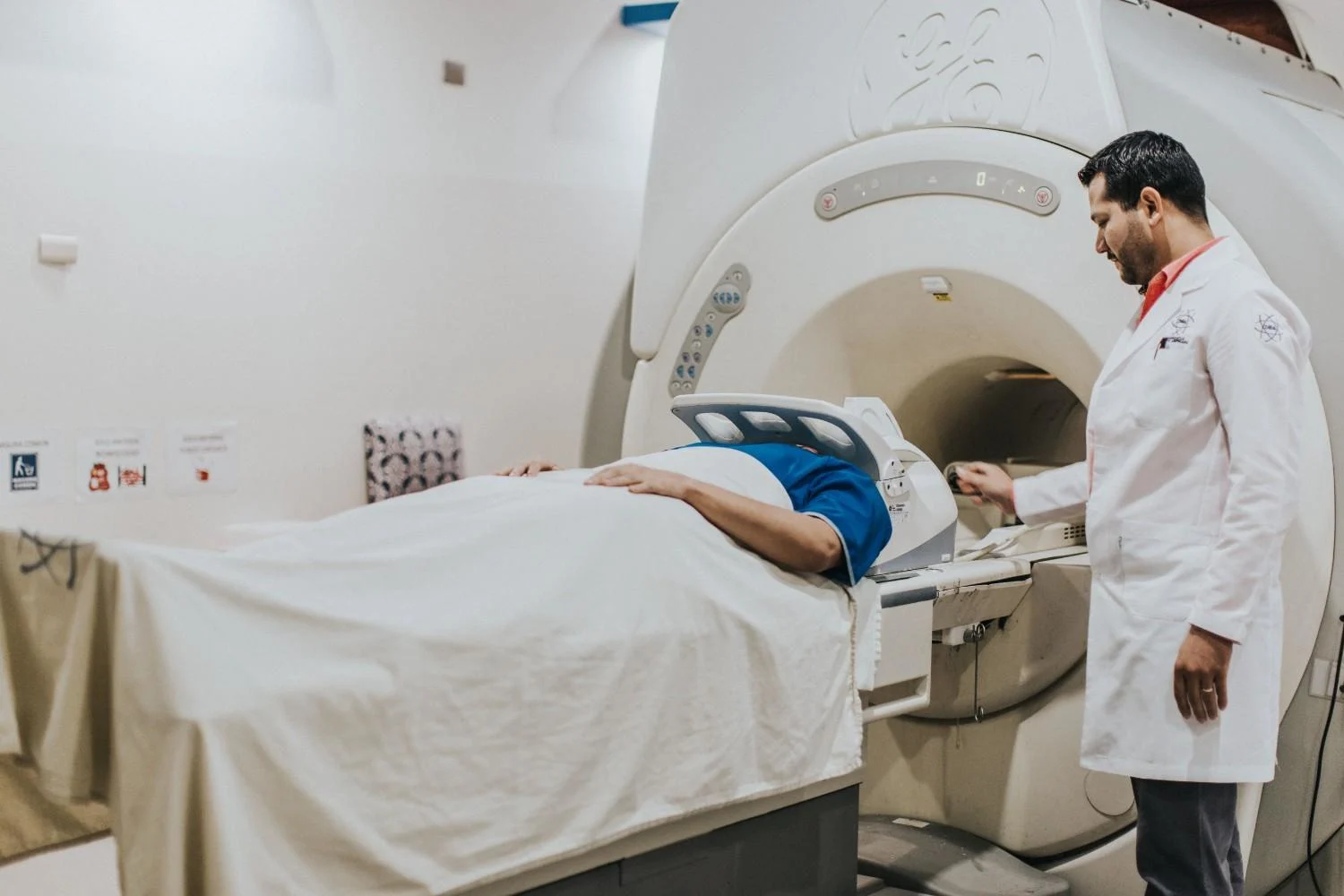
Outpatient care centers pay MRI technologists the most of any industry, with a national median of $140,390 in May 2025, compared with $95,920 in hospitals, $93,880 in physician offices, and $93,540 in medical and diagnostic laboratories. Hospitals, however, employ 61 percent of MRI technologists nationally, so most jobs sit in the middle of the pay range rather than at the top.
| Work setting | National median (May 2025) | Share of MRI tech jobs |
|---|---|---|
| Outpatient care centers | $140,390 | 3% |
| Hospitals (state, local, and private) | $95,920 | 61% |
| Offices of physicians | $93,880 | 14% |
| Medical and diagnostic laboratories | $93,540 | 17% |
BLS does not publish industry-level MRI wages for California alone, but the pattern holds in practice: outpatient and freestanding imaging centers compete for experienced techs with higher base pay, while hospitals offer differentials for nights, weekends, and on-call coverage that can close part of the gap. Per diem and travel contract positions typically pay a higher hourly rate in exchange for no benefits and no guaranteed hours. None of those premiums appear in the BLS medians, so a tech weighing a hospital night shift against a day position at an imaging center should compare total compensation, not base rate.
What Raises an MRI Tech’s Pay
The ARRT credential in MRI is the first lever, because employers that compete for techs in California’s higher-paying metros expect it. ARRT’s primary pathway requires an associate degree or higher, completion of an ARRT-approved educational program in MRI, an ethics review, and a passing score on the MRI certification exam. CBD College’s overview of the ARRT primary pathway exam walks through what the exam covers and how graduates qualify.
Beyond the initial credential, four factors move California MRI techs up the percentile table:
- A second modality. Techs who also hold a computed tomography (CT) or radiography credential can cover more of a department’s schedule, which employers pay for. In California, anyone operating X-ray equipment on patients must hold a certificate or permit from the California Department of Public Health (CDPH) Radiologic Health Branch, so a dual-modality path means meeting both ARRT and state requirements.
- Lead or supervisory roles. Lead MRI technologist and imaging supervisor positions carry higher base pay and move techs toward the 75th and 90th percentiles.
- Applications specialist roles. MRI equipment manufacturers hire experienced techs to train hospital staff on new scanners. These positions pay above clinical rates and involve travel.
- Experience and employer type. Union hospital systems, academic medical centers, and outpatient imaging chains, concentrated in the Bay Area and Sacramento, tend to pay at the upper end of the state range.
Techs just starting out can shorten the path to the first credential by lining up coursework early. CBD College’s guide to MRI tech prerequisites covers what programs expect before enrollment.
Job Outlook for MRI Technologists in California
BLS projects employment of MRI technologists to grow 8 percent from 2025 to 2035, from 43,900 jobs to 47,300 nationally, faster than the 5 percent projected for radiologic technologists and technicians. Across the combined radiologic and MRI technologist occupation, BLS expects about 15,300 openings a year over the decade, most of them from workers who retire or move to other occupations rather than from new positions.
BLS publishes projections nationally rather than by state, so the 8 percent figure is not a California-specific forecast. The state’s wage premium over the national median, and the concentration of large hospital systems and imaging networks in Los Angeles, the Bay Area, and San Diego, point to continued demand for credentialed techs. Program length matters for anyone trying to enter while that demand holds; CBD College’s post on MRI technician program length explains how long training takes from first class to ARRT eligibility.
Start Toward a California MRI Tech Salary at CBD College
Prospective students in Los Angeles who want to reach the $109,800 metro median, or the $124,000 state median, need an ARRT-approved education and a passing exam score before most employers will consider them for a full MRI role. CBD College’s MRI technology program in Los Angeles prepares graduates for the ARRT primary pathway in MRI, with clinical training built into the curriculum. Request information through the program page, speak with an admissions advisor about prerequisites and start dates, and ask about financial aid options before the next cohort fills.

